

Cafeteria Interior Design in Istanbul
Cafeteria Interior Design in Istanbul
In a city that stretches across two continents and breathes history from every corner, cafeteria interior design in Istanbul is more than just a commercial project; it is an investment in a complete human experience. In Istanbul, cafeterias are not only spaces to enjoy coffee; they are social hubs, workspaces, quiet reading corners, rest stops for tourists, and lively environments that operate throughout the day. Therefore, designing a successful café here requires a comprehensive vision that goes beyond selecting stylish tables or attractive colors; it requires a deep understanding of the city’s spirit and visitor behavior.
Istanbul is a multi-layered city; in its historic neighborhoods, one feels the warm Ottoman character, while in modern districts, the energy is fast-paced and contemporary. This diversity directly reflects on café design philosophy. Cafes located near historic landmarks need warm touches that reflect cultural identity, while those in modern residential complexes or business centers lean towards simplicity, functionality, and speed. Here is where the professional designer’s role becomes crucial: analyzing the location and understanding the target audience before drawing a single line on the plan.
A successful café design balances beauty and functionality. The flow of movement inside the space is essential; a customer’s journey should be smooth from the moment they enter until they leave. Employee comfort behind the bar and in the kitchen must also be considered to ensure efficient and quick service. Small spaces require smart solutions such as multi-purpose furniture, while large spaces need carefully planned zones to create diverse atmospheres within the same location.
Lighting plays a critical role in shaping a café’s identity. Natural light in Istanbul is a true asset, especially on sunny days overlooking the Bosphorus. Utilizing large windows enhances the sense of spaciousness and comfort, while warm artificial lighting in the evening creates an intimate atmosphere that encourages longer stays. Colors also have a psychological impact; earthy tones provide warmth, light tones enhance spaciousness, and dark tones add luxury and visual depth.
Cafeteria interior design in Istanbul is a process that begins with meticulous study and ends with a complete sensory experience for the customer. The smell, music, textures, lighting, and even the way products are displayed all contribute to the final impression. The more thoughtful the design, the more the café becomes a distinguished landmark, not just another establishment on a busy street.
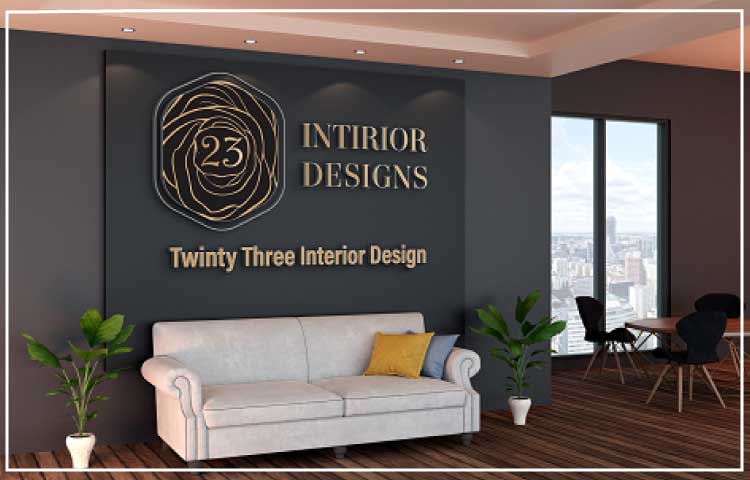
23 Interior Design: The Leading Cafeteria Design Company in Istanbul
When it comes to turning a vision into a lively space, 23 INTERIOR DESIGN stands out as a top name in café design in Istanbul, combining architectural creativity with extensive execution experience. Their philosophy is simple yet profound: each café must tell a unique story that reflects the owner’s identity and vision while appealing to the target audience.
The design journey starts with comprehensive project research: location analysis, understanding the neighborhood, studying the target demographic, and then creating an initial concept that captures the overall vision. Next, detailed planning ensures proper table layouts, service areas, storage solutions, and optimal use of the available space.
What distinguishes 23 INTERIOR DESIGN is their integrated approach. They don’t just provide 3D plans; they manage complete execution—from civil works, electrical and mechanical installations to custom furniture manufacturing in their private workshops. This integration ensures high-quality results, precise attention to detail, and full control over time and cost.
The company also prioritizes high-quality materials capable of withstanding intensive daily use, with meticulous attention to the smallest details such as handles, lighting systems, and fabric choices. Every element is carefully selected to serve the overall concept and enhance the visual identity of the café.
Modern Cafeteria Interior Design
When discussing modern cafeteria interior design in Istanbul, we refer to a visual language based on simplicity, clean lines, and neutral colors complemented by bold accents. Modern design does not imply coldness or emptiness; it conveys clarity of concept and harmonious integration of all elements.
Flooring often includes polished concrete, light parquet, or large neutral-colored tiles. Walls may feature exposed brick or concrete to add an elegant industrial feel, complemented with contemporary artwork or motivational graphics.
Furniture in modern cafeterias is simple yet comfortable. Straight-lined chairs, wooden or metal tables, and soft sofas with muted colors create a balanced interior. Lighting is crucial; pendant lamps over tables paired with hidden ceiling lighting add depth and visual appeal.
The modern concept also integrates technology, such as charging outlets at tables and digital ordering systems, making the café suitable for students, young professionals, and freelancers seeking a productive environment.
Luxury Cafés in Istanbul
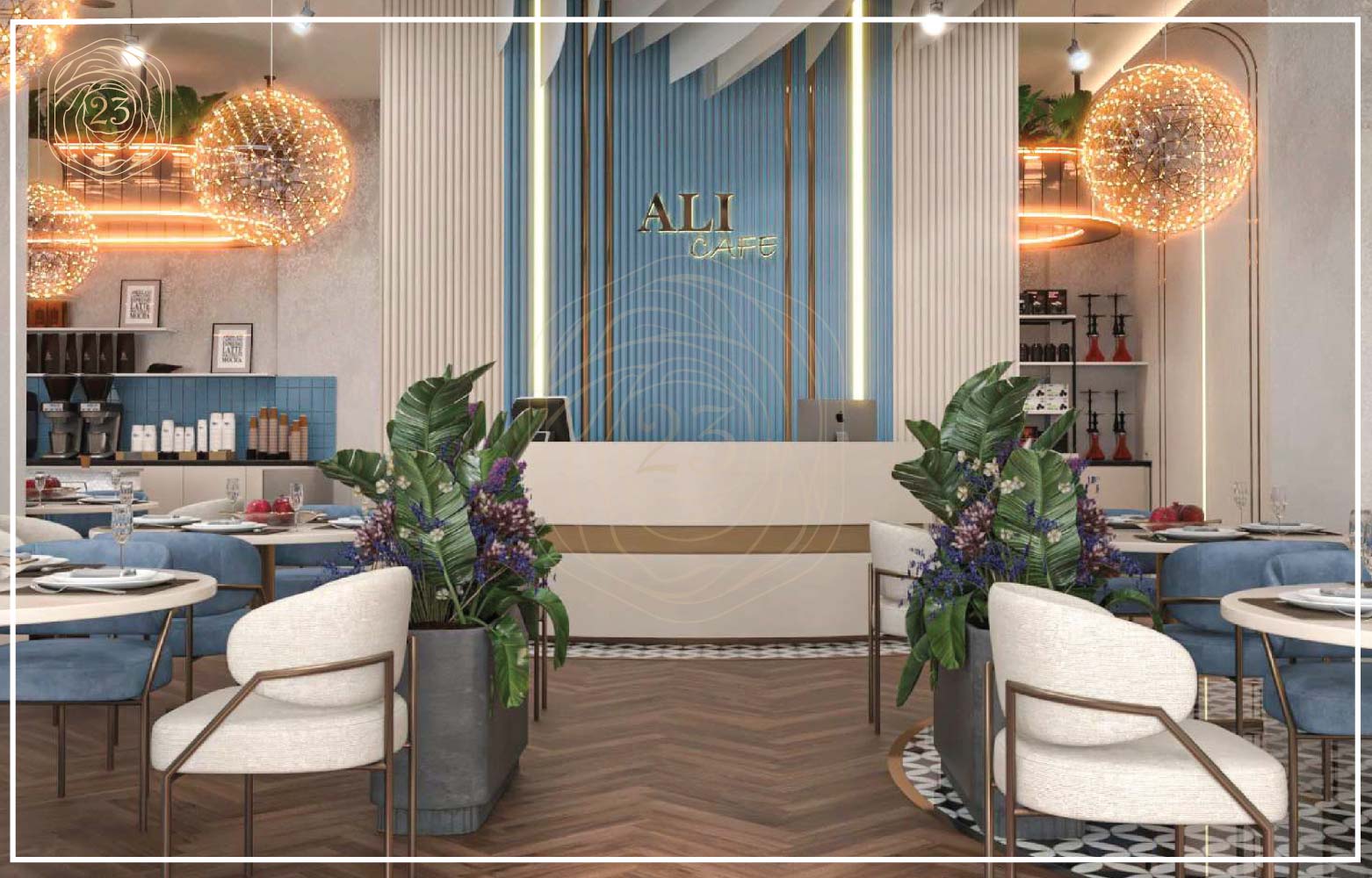
Luxury in café design does not mean excess; it is about precision in detail and quality materials. Luxury café design in Istanbul often features high-end finishes such as natural marble, polished dark wood, and metallic accents like copper or rose gold. Warm lighting highlights these materials and creates an elegant, cozy atmosphere.
Privacy is key in luxury cafés, with carefully spaced tables and subtle partitions or greenery providing comfort. Even the smallest details, like menu presentation, cup design, and aroma, are part of the holistic luxury experience that encourages repeat visits.
Small Cafeteria Design Ideas in Istanbul
Small spaces in Istanbul are not obstacles; they are opportunities for creative solutions. Small café design ideas often focus on maximizing every corner. Mirrors can create an illusion of space, foldable or wall-mounted tables save floor area, and light-colored walls make spaces feel larger.
A long counter along a wall with high stools can accommodate more customers without overcrowding. Hidden storage under tables or behind bars maintains tidiness while keeping tools and ingredients organized. With these strategies, even a small café can compete visually and functionally with larger venues.
Small Space Cafeteria Interior Design
When it comes to small space cafeteria interior design in Istanbul, the challenge is not only technical but also creative. Small commercial spaces are common in bustling neighborhoods, where rental prices are high, particularly in central areas near universities, tourist attractions, or public transportation hubs. Every square meter is valuable, making smart space utilization a key factor for success.
The first step is redefining the concept of “space.” Space isn’t measured merely in square meters but in how it is organized visually and functionally. A café of 40–50 square meters can feel spacious and comfortable if every element is carefully placed. Clear circulation paths are essential; the customer journey should flow seamlessly from entrance to ordering counter to seating without congestion or confusion.
Furniture selection is critical. Lightweight, visually unobtrusive pieces with slim legs prevent overcrowding. Round tables are often preferable to square tables because they facilitate movement and flexible arrangement. Wall-mounted counters with high stools maximize seating without compromising comfort. Multi-functional furniture, such as stackable chairs or foldable tables, allows quick adaptation for different times of day or special events.
Lighting transforms perception of space. Soft white lighting combined with strategically placed spotlights can create depth, while mirrors reflect light and make the area feel larger. Light wall colors, such as beige or soft gray, enhance openness, while a single bold accent wall adds visual interest without overwhelming the space.
Smart storage solutions are indispensable. In small cafeterias, clutter is the enemy. Integrated cabinetry under counters, hidden shelves behind doors, and overhead storage maximize usability while keeping the café organized. Maintaining tidiness directly impacts customer perception and satisfaction.
Latest Cafeteria Interior Designs in Istanbul
The latest cafeteria interior designs in Istanbul reflect both cultural evolution and social changes. Cafes are no longer just places to enjoy coffee—they are multifunctional hubs for work, casual meetings, photography, and social media engagement. Modern design philosophies adapt to these needs.
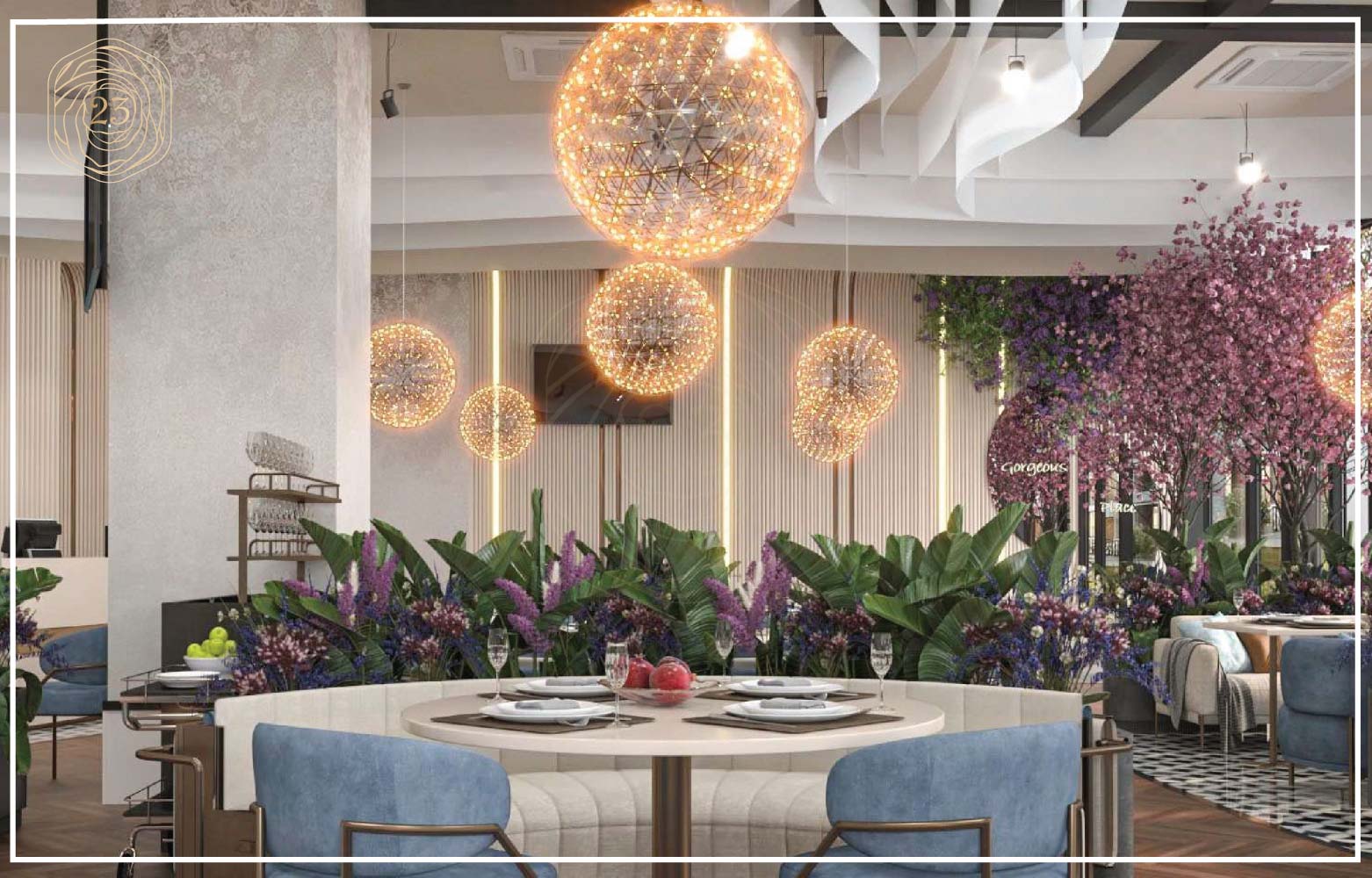
A prominent trend is combining industrial and natural elements. Exposed concrete and open ceilings coexist with natural wood and lush greenery, creating a visually appealing contrast that embodies Istanbul’s contemporary spirit.
Modern interiors emphasize flexibility. Tables and seating arrangements can be easily reconfigured for workshops, private events, or pop-up exhibitions. Multi-purpose furniture supports this versatility.
Technology integration is increasingly important. Charging outlets at tables, digital ordering systems, and elegant display screens enhance the customer experience, particularly for younger audiences, freelancers, and students.
Indoor greenery is now a staple. Vertical plant walls, tabletop plants, and decorative greenery improve aesthetics, create calm environments, and even improve acoustics, which contributes to a more enjoyable visit and encourages longer stays.
Cafeteria Interior Design Trends in Istanbul 2026
Looking toward 2026, cafeteria interior design trends in Istanbul are centered on sustainability, sensory experiences, and functional flexibility. Eco-friendly materials like reclaimed wood, low-VOC paints, and energy-efficient lighting are becoming standard, appealing to environmentally conscious customers.
The sensory experience is now a priority. Acoustics, ambient music, aromas, and tactile materials are all carefully chosen to enhance comfort and customer engagement. A café that appeals to multiple senses fosters emotional connections, increasing customer retention.
Flexibility is another key trend. Spaces must accommodate varying uses: daytime coffee breaks, evening events, or weekend workshops. Adaptive furniture, adjustable lighting, and modular layouts allow cafés to maximize functionality without compromising style.

Classic Café Design in Turkey
Despite modern trends, classic café interior design in Turkey continues to thrive, particularly in historical neighborhoods or areas attracting clientele who prefer traditional aesthetics. Classic cafés feature warm colors, rich wooden furniture, intricate details, chandeliers, and heavy drapery.
Attention to detail is crucial. Wall moldings, ornate frames, and luxurious fabrics create an atmosphere of elegance and comfort. While preserving authenticity, subtle modern touches—such as hidden lighting systems or discreet technological enhancements—ensure functionality without compromising heritage.
Cafeteria Design Pricing in Istanbul
Cafeteria interior design prices in Istanbul vary depending on multiple factors. Space size is important, but not the sole determinant. Finish quality, material selection, structural adjustments, and the designer’s experience significantly affect the final cost.
Small projects with simple finishes are more budget-friendly, whereas high-end materials like natural marble or custom furniture increase costs. Advanced technological installations or specialized kitchen equipment also add to the investment.
Investing in professional design should be seen as long-term value rather than a mere expense. Quality design attracts more customers, strengthens brand identity, and increases average spending per visitor. Hiring an experienced company ensures efficiency, quality, and timely project completion while minimizing unexpected costs.
Cafeteria Interior Design in Istanbul That Attracts Customers
The strategic design of a cafeteria in Istanbul is an integrated process that transforms every idea into a functional and visually appealing space, enhancing customer experience and long-term business success.
Designing cafeteria interior design in Istanbul that effectively attracts customers goes far beyond choosing attractive colors or elegant furniture. It involves creating a complete experience that captivates visitors from the moment they enter until they leave. In a city like Istanbul, where locals and international tourists converge, the interior design becomes a key marketing tool, as important as coffee quality and food offerings.
The café’s exterior is the first impression. Glass facades, attractive lighting, and a clear, stylish signboard play a major role in enticing passersby, especially on busy streets. Once inside, visual focal points keep customers engaged. This can include a feature wall with unique decorations, a gallery-style display, or a dedicated photo corner that encourages social media sharing. Thoughtful seating arrangements balance privacy with openness, allowing customers to feel comfortable while still experiencing the café’s social energy. Comfortable chairs, well-proportioned tables, and ample space for drinks and food enhance the overall customer experience and encourage longer visits, boosting average spending and customer loyalty.
Small details create a significant impact. Lighting should vary by zone: warmer tones for relaxation areas, brighter tones for ordering counters. Music should align with the café’s identity and target audience. The aroma of freshly brewed coffee or baked goods contributes to a welcoming atmosphere. Together, these elements transform a café from a simple coffee spot into a memorable experience that motivates customers to return.
Latest Cafeteria Interior Designs in Istanbul
In recent years, the latest cafeteria interior designs in Istanbul reflect a seamless blend of functional efficiency and aesthetic innovation. One of the most notable trends is combining natural and industrial materials—raw wood with exposed concrete and metal—creating a visually appealing contrast that communicates modern sophistication.
Modern café interiors emphasize adaptability. Furniture can be easily rearranged to host workshops, small events, or social gatherings. Multi-purpose furniture allows maximum flexibility without compromising aesthetics.
Technology is fully integrated into modern café design. Charging outlets at tables, digital ordering systems, and elegant display screens provide a seamless customer experience, especially for younger generations, students, and professionals who often work remotely from cafés.
Indoor greenery has also become essential. Vertical plant walls, tabletop plants, and subtle greenery throughout the space enhance aesthetics, create a sense of calm, and even improve acoustic comfort. These natural elements contribute to a more inviting environment, encouraging customers to stay longer and return more frequently.
Strategies to Attract Customers
Attracting a steady stream of customers requires strategic café interior design. First, establish a consistent visual identity. A cohesive color palette, logo, signage, and design elements reinforce brand recognition across all touchpoints—from menus to tableware.
Second, focus on a multi-sensory experience. Lighting, sound, scent, and tactile materials should all be carefully considered to enhance comfort and engagement. Third, incorporate photo-friendly design elements, such as artistic walls or unique décor, which encourage social media sharing and organic marketing.
Fourth, prioritize flexibility. The ability to reconfigure tables, seating, or event spaces allows the café to cater to diverse groups and activities, maintaining customer interest.
Finally, every design decision should serve both aesthetics and function. From ergonomically designed seating to strategically placed lighting and clear circulation paths, the goal is to maximize customer satisfaction and operational efficiency.
The Importance of Experience in Café Design
Successful cafeteria interior design in Istanbul depends heavily on experience. Knowledge of local neighborhoods, customer demographics, and seating preferences allows designers to create spaces that meet both aesthetic and functional needs. Experienced designers also ensure optimal material selection, efficient traffic flow, and proper lighting—all critical for boosting business performance and long-term profitability.
Design experience ensures the café’s visual appeal aligns with the target audience’s expectations, attracts repeat visits, and establishes the café as a landmark within Istanbul’s competitive coffee culture.
Conclusion
A well-designed cafeteria in Istanbul is more than just a place to serve coffee; it is a fully immersive experience. From furniture selection to lighting, acoustics, scent, flexible layouts, and strong visual identity, every element contributes to customer satisfaction and retention. Thoughtful design not only enhances the visitor’s experience but also maximizes business success, transforming a café into a distinguished destination in the vibrant, fast-paced city of Istanbul.
FAQ:
What is the importance of cafeteria interior design in Istanbul?
Professional design attracts customers, enhances brand identity, and improves the overall customer experience.
How can a small café be designed effectively and attractively?
By using lightweight, flexible furniture, light colors, mirrors, and smart storage solutions to maximize space.
What is the difference between modern and classic café design?
Modern design emphasizes clean lines and simplicity, while classic design focuses on intricate details, warm colors, and traditional elegance.
What are the latest cafeteria interior design trends in Istanbul for 2026?
Sustainability, eco-friendly materials, flexible layouts, and a fully immersive sensory experience.
Can technology be integrated into café design?
Yes, including charging outlets at tables, digital ordering systems, and elegant display screens to enhance customer experience.
How does interior design help attract customers?
Through a multi-sensory experience, comfortable seating, visually appealing layouts, and photo-friendly spaces for social media sharing.
What are the main elements of luxury café design in Istanbul?
High-quality materials like natural marble and dark wood, warm lighting, and well-spaced tables for privacy.
Is experience important in successful café design?
Absolutely, understanding local neighborhoods, target customers, and space flow improves long-term success and profitability.
How does café design affect customer dwell time?
Comfortable seating, proper lighting, and an immersive atmosphere encourage longer stays and higher spending.
Does a good café interior design enhance ROI (Return on Investment)?
Yes, attractive and functional design increases customer visits, builds loyalty, and maximizes revenue over time.
To view some of our work, click here.
To contact us for luxury decor for your property, click here.



Comments are closed