
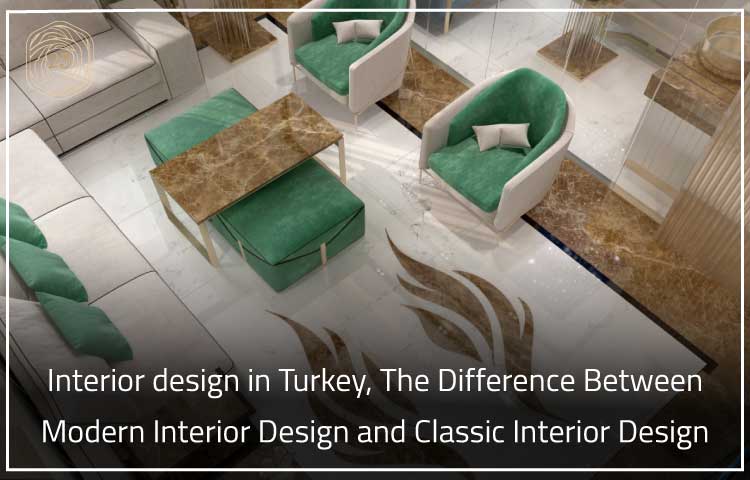
Interior design in Turkey, The Difference Between Modern Interior Design and Classic Interior Design
The Difference Between Modern Interior Design and Classic Interior Design
What Is Interior Design in Turkey?
Interior design in Turkey is not simply about decorating spaces or selecting visually appealing furniture. It is a sophisticated creative discipline that merges architecture, culture, craftsmanship, and human psychology into one coherent experience. Turkey’s unique geographical and cultural position—bridging Europe and Asia—has deeply influenced its interior design identity, allowing modern innovation and classical heritage to coexist seamlessly within the same space.
Interior design in Turkey reflects centuries of architectural evolution, from Ottoman palaces rich in ornamentation and symmetry to contemporary urban residences that emphasize functionality, minimalism, and spatial efficiency. Today, interior design is a professional industry supported by academic institutions, international exhibitions, advanced digital tools, and skilled local artisans who continue to elevate standards of quality and originality.
Modern interior design in Turkey relies heavily on space optimization, natural light integration, and balanced proportions. Designers carefully study how people move, live, and interact within a space before creating layouts that feel intuitive and comfortable. Interior design is no longer a luxury; it is a strategic process that improves daily life and increases the long-term value of a property.
In cities such as Istanbul, interior design has become a critical factor in real estate success. Investors, homeowners, and developers seek interior design solutions that combine aesthetics, durability, and efficiency. Whether the project involves residential apartments, luxury villas, offices, hotels, or commercial properties, interior design in Turkey offers adaptable solutions that align with modern lifestyles while respecting cultural depth.

The Importance of Interior Design in Everyday Life
Interior design plays a fundamental role in shaping human behavior, emotional well-being, and productivity. The environments we spend most of our time in—homes, offices, and public spaces—directly influence how we feel, think, and perform. Well-designed interiors create balance, clarity, and comfort, while poorly planned spaces can lead to stress, fatigue, and discomfort.
In residential interiors, thoughtful design fosters emotional stability and personal connection. A well-designed home supports relaxation, encourages positive family interaction, and provides a sense of safety and belonging. Elements such as color harmony, lighting temperature, furniture scale, and acoustic comfort all contribute to creating a peaceful living environment.
In professional and commercial spaces, interior design becomes a productivity tool. Proper layout planning improves workflow, reduces distractions, and enhances focus. Businesses in Turkey increasingly recognize that interior design is a core investment, not a secondary expense. Offices designed with employee comfort in mind show higher efficiency and satisfaction, while commercial interiors influence customer perception and brand loyalty.
Interior design also plays a vital role in hospitality and healthcare environments. Hotels, clinics, and restaurants rely on interior design to establish trust, comfort, and emotional connection with visitors. In these settings, design determines first impressions and shapes the overall experience, making it a decisive factor in success.

Why You Should Consult an Interior Designer When Designing a Property
Many property owners attempt to design their interiors independently, often inspired by images found online or on social media platforms. While inspiration is valuable, translating ideas into a functional, harmonious, and durable design requires professional expertise. Interior design is not about copying trends—it is about understanding how a specific space should function based on real human needs.
A professional interior designer begins the process by analyzing the client’s lifestyle, daily habits, future plans, and budget. In Turkey, experienced interior designers also consider environmental factors such as climate, natural light orientation, and material longevity. This holistic approach ensures that the final design is not only visually appealing but also practical and sustainable.
Interior designers help clients avoid common and costly mistakes, such as improper space distribution, incorrect material selection, poor lighting design, or inefficient storage solutions. They act as coordinators between clients and execution teams, ensuring that every detail is implemented accurately and consistently with the approved design concept.
Most importantly, consulting an interior designer adds long-term value to the property. A professionally designed interior increases market appeal, enhances comfort, and ensures that the space remains functional and aesthetically relevant for years to come.
23 Interior Design: The Leading Interior Design Company in Turkey
When discussing excellence and professionalism in interior design in Turkey, 23 Interior Design emerges as one of the most trusted and distinguished companies in the field. Rather than treating projects as repetitive tasks, the company approaches each interior as a unique narrative shaped by the client’s vision and lifestyle.
23 Interior Design offers a fully integrated service that covers concept development, space planning, 3D visualization, material selection, and full execution. The company’s strength lies in its multidisciplinary team of interior designers, engineers, and skilled craftsmen who work collaboratively to deliver flawless results.
One of the company’s most significant advantages is its ability to design and manufacture custom furniture in its own workshops. This allows for complete customization, superior quality control, and the creation of exclusive pieces that perfectly fit each space. From residential interiors to large-scale commercial projects, 23 Interior Design ensures precision, creativity, and consistency at every stage.
Through years of experience, the company has built a reputation based on quality, commitment, and innovation, making it a preferred choice for clients seeking premium interior design solutions in Turkey and beyond.
What Is the Difference Between Modern Interior Design and Classic Interior Design?
The difference between modern interior design and classic interior design goes far beyond visual appearance. It is a fundamental difference in philosophy, lifestyle approach, and the way space is experienced and used. Each style represents a distinct mindset and responds differently to human behavior, daily routines, and emotional needs.
Modern interior design is rooted in simplicity, efficiency, and clarity. It focuses on eliminating unnecessary elements and emphasizing function, clean lines, and open spaces. The modern style evolved as a response to fast-paced urban life, where comfort, flexibility, and practicality are essential. In contrast, classic interior design is deeply connected to history, tradition, and artistic expression. It values ornamentation, symmetry, and carefully crafted details that convey elegance and timeless beauty.
In Turkey, this contrast is especially visible. Modern interior design thrives in newly developed residential projects, high-rise apartments, and contemporary villas, while classic interior design is often preferred in spacious villas, luxury residences, and prestigious properties that aim to reflect heritage and sophistication. The choice between modern and classic interior design is not about right or wrong—it is about alignment with lifestyle, space, and personal identity.
Advantages of Modern Interior Design in Turkey
Modern interior design in Turkey has gained remarkable popularity due to its adaptability and practicality. One of its most significant advantages is efficient space utilization. Modern interiors are designed to make the most of every square meter, which is especially important in urban environments where space is often limited. Open-plan layouts, minimal partitions, and multifunctional furniture allow spaces to feel larger, brighter, and more breathable.
Another major advantage of modern interior design is visual simplicity. Neutral color palettes, such as whites, greys, beige, and soft earth tones, create calm and harmonious environments. These colors reflect natural light and enhance the sense of openness, making interiors feel more inviting and comfortable. In Turkey’s modern apartments, large windows and balconies are often integrated into the interior design to blur the boundary between indoor and outdoor spaces.
Modern interior design also embraces technology and innovation. Smart lighting systems, hidden storage solutions, integrated appliances, and modular furniture are commonly used to enhance daily convenience. These features align perfectly with contemporary lifestyles and increase functionality without compromising aesthetics.
From a maintenance perspective, modern interiors are generally easier to maintain. The absence of heavy ornamentation reduces dust accumulation, while durable modern materials are designed for long-term use. This makes modern interior design an ideal choice for families, professionals, and investment properties.

Disadvantages of Modern Interior Design in Turkey
Despite its many strengths, modern interior design has certain drawbacks that should be considered carefully. One of the most common concerns is that modern interiors can feel cold or impersonal if not designed thoughtfully. Excessive minimalism may strip a space of warmth and emotional depth, resulting in an environment that feels more like a showroom than a home.
Another disadvantage is the dependence on high-quality execution. Modern design relies heavily on precision, proportion, and material quality. Any mistake in measurement, finishing, or lighting placement becomes highly visible due to the simplicity of the design. This means that modern interior design requires skilled professionals to achieve a refined result.
Additionally, some modern materials—such as glass surfaces, high-gloss finishes, and metallic elements—require consistent maintenance to preserve their appearance. While modern interiors may reduce decorative complexity, they often demand careful cleaning and upkeep.
For individuals who value rich textures, decorative elements, and visual storytelling, modern interior design may feel too restrained or minimal.
Advantages of Classic Interior Design in Turkey
Classic interior design in Turkey represents luxury, heritage, and timeless elegance. Its strongest advantage lies in its rich visual depth. Classic interiors are layered with decorative details, textures, and handcrafted elements that create a sense of grandeur and refinement. Carved wooden furniture, decorative moldings, luxurious fabrics, and elegant chandeliers all contribute to a sophisticated atmosphere.
Classic interior design also conveys emotional warmth and stability. The use of deep, warm colors such as gold, cream, burgundy, and dark wood tones creates an inviting and comforting environment. These interiors often feel permanent and grounded, appealing to individuals who appreciate tradition and formal elegance.
In Turkey, classic interior design is often influenced by Ottoman and European styles, resulting in spaces that reflect cultural richness and historical continuity. This makes classic design particularly suitable for luxury villas, palatial residences, and properties that aim to project prestige and status.
Another advantage of classic interior design is its timeless appeal. Unlike trend-driven styles, classic interiors remain relevant for decades, making them a long-term investment in both aesthetic value and property appeal.

Disadvantages of Classic Interior Design in Turkey
While classic interior design offers elegance and prestige, it also comes with certain limitations. One of the main challenges is space requirements. Classic interiors require generous spaces to accommodate large furniture, decorative elements, and symmetrical layouts. In smaller apartments, this style can feel overwhelming and visually congested.
Cost is another important consideration. Classic interior design often involves premium materials, handcrafted details, and custom furniture, which can significantly increase project budgets. Additionally, the execution process may take longer due to the complexity of design and craftsmanship involved.
Maintenance is also a factor. Ornate details, heavy fabrics, and decorative finishes require regular care to maintain their original beauty. For modern lifestyles that prioritize convenience and flexibility, this level of upkeep may feel demanding.
Lastly, classic interior design offers less adaptability for changing needs. Spaces are often designed with fixed functions, making it harder to reconfigure layouts or integrate new technologies without altering the original design concept.
How to Choose the Right Interior Design Style for Your Property
Choosing the right interior design style for your property is not a decorative decision alone; it is a strategic choice that reflects your lifestyle, your personality, your daily habits, and even your long-term investment goals. In Turkey, where architectural diversity meets cultural depth and modern urban development, this decision becomes even more important. The difference between a successful interior design project and a disappointing one often starts with a single question: What kind of space do I truly want to live in?
When selecting between modern interior design and classic interior design, you must first understand the nature of your property. Is it a compact apartment in Istanbul’s city center, where space efficiency and functionality matter most? Or is it a spacious villa overlooking the Bosphorus, where elegance, details, and timeless luxury can fully express themselves? Modern interior design often works best in contemporary apartments, offices, and newly built residences, where open spaces, clean lines, and minimal visual noise enhance comfort and usability. Classic interior design, on the other hand, shines in larger spaces where architectural details, symmetry, and decorative richness can breathe freely.
Another critical factor is lifestyle. If you prefer simplicity, clarity, and easy maintenance, modern interior design may be the ideal choice. Its focus on neutral colors, smart storage solutions, and functional furniture makes everyday life smoother and less cluttered. If you value tradition, warmth, and artistic expression, classic interior design offers a sense of depth and emotional richness that modern styles often avoid. The right choice is not about trends, but about how you want your space to support your daily rhythm and emotional well-being.
Budget also plays a key role. While modern interior design can be more cost-effective when executed thoughtfully, custom classic interiors often require higher investment due to handcrafted elements, premium materials, and detailed finishing. However, both styles can be adapted to different budgets when guided by an experienced interior design company in Turkey that understands how to balance aesthetics with practicality.
The Importance of Consulting an Interior Designer in Turkey
Consulting a professional interior designer in Turkey is not a luxury—it is a necessity for anyone seeking a successful and stress-free design experience. Interior designers do more than select colors and furniture; they analyze space, understand client needs, manage budgets, and transform abstract ideas into livable realities. In a diverse market like Turkey, where materials, labor standards, and architectural styles vary significantly, professional guidance becomes essential.
An experienced interior designer helps you avoid costly mistakes, such as choosing inappropriate materials for the climate, misusing space, or following design trends that do not age well. They ensure harmony between structure, lighting, furniture, and finishing, creating a cohesive interior design that feels intentional and balanced. Moreover, designers in Turkey often have access to trusted suppliers, custom furniture workshops, and skilled craftsmen, allowing them to deliver higher quality results at optimized costs.
Working with a professional interior design company also saves time and energy. From concept development to execution and final delivery, designers manage every detail, coordinate teams, and ensure deadlines are met. This is especially important for foreign investors, homeowners, and business owners who may not be familiar with local regulations or construction processes in Turkey.
The Difference Between Ready-Made Interior Design and Custom Interior Design in Turkey
In Turkey, property owners often face a crucial decision: choosing between ready-made interior design solutions and fully customized interior design projects. Each approach has its advantages, but understanding their differences helps you make the right choice based on your needs and expectations.
Ready-made interior design typically involves pre-designed layouts, standardized furniture, and fixed material selections. This option is faster and more budget-friendly, making it suitable for rental properties, short-term investments, or projects with tight deadlines. However, ready-made designs often lack uniqueness and may not fully utilize the property’s potential. They follow general templates rather than adapting to individual lifestyles or spatial nuances.
Custom interior design, on the other hand, is a fully personalized experience. Every detail is designed specifically for your property—from layout planning and lighting design to custom furniture and tailored finishes. In Turkey, custom interior design allows clients to blend modern and classic elements, incorporate cultural influences, and create spaces that truly reflect their identity. While this approach requires more time and investment, the result is a unique, high-quality interior that adds long-term value to the property.
Professional interior design companies like 23 Interior Design specialize in custom solutions, offering design and execution services that transform properties into distinctive living and working spaces.
Conclusion: 23 Interior Design – Excellence in Interior Design Across Turkey, Algeria, and Saudi Arabia
With over 11 years of experience, 23 Interior Design has established itself as a leading interior design company specializing in modern and classic interior design across Turkey, Algeria, and Saudi Arabia. The company’s success is built on a deep understanding of architectural diversity, cultural context, and client expectations in each market it serves.
23 Interior Design offers complete interior design and execution services, supported by a professional team of designers, engineers, and skilled craftsmen. The company also designs and manufactures custom furniture in its own workshops, ensuring full control over quality, materials, and finishing. Whether working on large villas or small apartments, the team excels at maximizing space efficiency while maintaining aesthetic excellence.
What truly sets 23 Interior Design apart is its commitment to innovation, high-quality execution, and client satisfaction. Each project is approached as a unique creative journey, delivering interiors that combine functionality, beauty, and long-term value. With strong attention to detail, reliable project management, and a passion for design, 23 Interior Design continues to shape inspiring spaces that reflect modern lifestyles and timeless elegance.
FAQ :
1. What is the difference between modern and classic interior design?
Modern interior design focuses on simplicity, clean lines, and functionality, while classic interior design emphasizes elegance, rich details, symmetry, and timeless luxury.
2. Which interior design style is more popular in Turkey?
Modern interior design is more popular in Turkey due to urban living and contemporary architecture, while classic design remains preferred for villas and luxury residences.
3. Is modern interior design suitable for small apartments?
Yes, modern interior design is ideal for small apartments because it maximizes space, improves functionality, and creates a clean, open visual feeling.
4. Does classic interior design cost more than modern design?
In most cases, classic interior design is more expensive due to custom details, premium materials, and handcrafted furniture compared to modern interiors.
5. Why should I hire an interior designer in Turkey?
Hiring an interior designer in Turkey helps you avoid costly mistakes, optimize space, manage budgets efficiently, and achieve a high-quality, well-balanced interior.
6. What are the advantages of custom interior design in Turkey?
Custom interior design offers personalized layouts, unique furniture, better space utilization, and a final result that reflects your lifestyle and identity.
7. What is ready-made interior design?
Ready-made interior design uses predefined layouts and furniture, offering faster execution and lower cost but less uniqueness and personalization.
8. Can modern and classic interior design be combined?
Yes, combining modern and classic interior design creates a balanced style that blends contemporary simplicity with timeless elegance.
9. How do I choose the right interior design style for my property?
The right interior design style depends on your space size, lifestyle, budget, and long-term goals, with professional consultation ensuring the best decision.
10. Why is 23 Interior Design considered a leading interior design company?
23 Interior Design is recognized for its 11 years of experience, custom furniture production, innovative designs, and high-quality execution across Turkey, Algeria, and Saudi Arabia.
To view some of our work, click here.
To contact us for luxury decor for your property, click here.



Comments are closed