
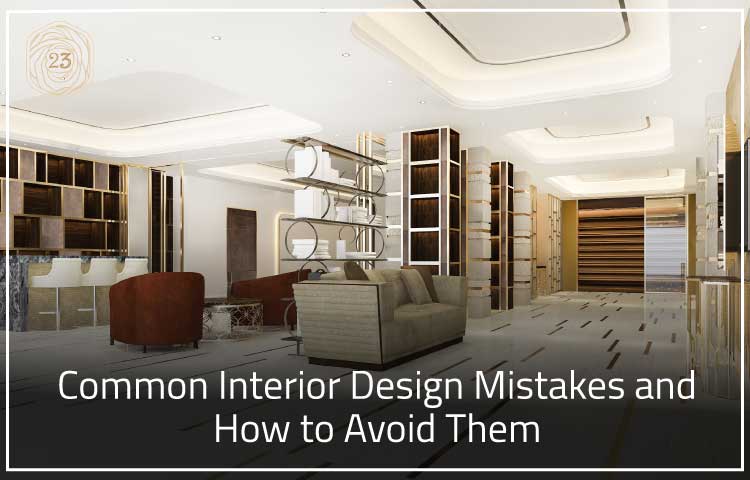
Common Interior Design Mistakes and How to Avoid Them
Common Interior Design Mistakes and How to Avoid Them
When we talk about interior design, we are not simply choosing beautiful colors or luxurious furniture pieces—interior design is a complete language that reflects your personality and lifestyle. Many homeowners dive into the world of home decoration with great excitement—especially when preparing a new home or renovating an old one—but the journey often turns into costly mistakes that make the final result disappointing.
These mistakes don’t always come from lack of experience. Sometimes the problem begins with choosing the wrong interior design company, working with an unprofessional designer, following random trends without proper planning, or rushing into decisions.
This comprehensive guide will help you understand the most common interior design mistakes and the best ways to avoid them, in addition to essential tips on how to choose the right company, the right interior designer, how to select furniture, lighting, colors, and more.
Let’s begin with the foundation…
How to Choose a Reliable Interior Design Company
Choosing a reliable interior design company is the most important element in ensuring the success of your project. A professional company guarantees a smooth experience and a stunning final result; the wrong company, however, can be the main reason for delays, errors, poor execution, or wasted money.
1. Review Real Projects, Not Internet Images
Many companies use stock photos or downloaded designs and present them as their own work. To avoid this trap:
- Visit the company’s showroom if available
- Request photos and videos of real completed projects
- Check before-and-after images
- Ask to contact previous clients if possible
Seeing real work allows you to evaluate finishing quality, attention to detail, and material choices.
2. Financial Transparency
You have the right to know:
- The cost breakdown of every stage
- Types and quality of materials
- Payment schedule
- Price differences between alternative options
Any company that avoids clear pricing or provides vague estimates should be approached with caution.
3. A Clear Contract
A professional contract must include:
- Project timeline
- Materials and specifications
- 3D designs
- Execution details
- Delivery and warranty clauses
The contract protects you and ensures the company adheres to its commitments.
4. A Specialized Team
A reputable company does not rely on a single designer. Instead, it includes:
- Interior architects
- Site engineers
- Skilled technicians
- Quality inspectors
- On-site supervisors
This team structure prevents mistakes before they happen.
5. After-Sales Service
Some companies disappear after the final payment. A trustworthy company follows up by offering:
- Adjustments
- Minor repairs
- Maintenance
- Post-completion support
Choosing the right company protects you from nearly 90% of interior design issues.
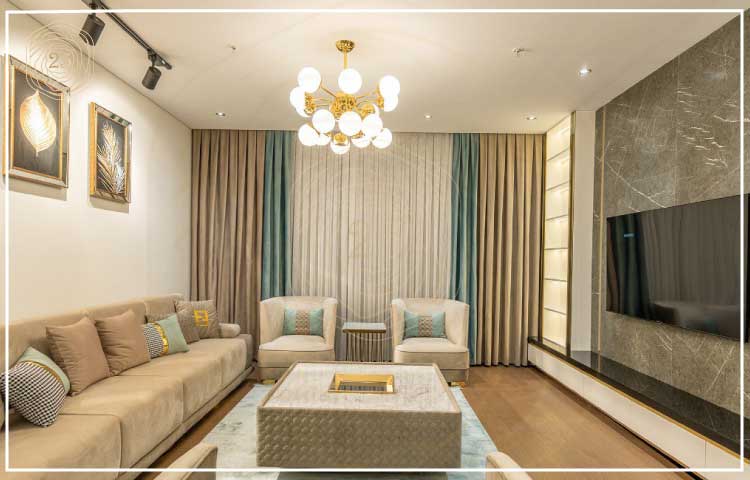
How to Choose an Interior Designer That Fits Your Budget
The interior designer is the creative brain behind your project—but choosing a great designer doesn’t mean exceeding your budget. You can have both: high quality and financial control.
1. A Designer Who Works Within a Set Budget
A skilled designer will:
- Reduce unnecessary costs
- Set clear spending priorities
- Recommend cost-effective material alternatives
- Design creatively within your financial comfort zone
2. A Good Listener
Some designers impose their own taste instead of understanding the client. A professional designer will:
- Ask about your lifestyle and daily habits
- Understand how you use each room
- Consider the number of family members
- Analyze your preferences and functional needs
If you have children, for example, the designer must consider safety, durability, and easy-to-clean materials.
3. Provide a Concept Before Commitment
Before signing anything, the designer should offer:
- A preliminary concept
- Moodboard
- Suggested color palette
- Sample furniture ideas
This gives you clarity without paying the full cost upfront.
4. Flexible, Solution-Oriented Thinking
A real designer never says “This is impossible.” Instead, they say:
- “Let’s find a similar option.”
- “This alternative fits your budget better.”
- “We can adjust this detail to reduce cost.”
Interior Design Tips for a Successful Project
To achieve a beautiful, functional home—whether a small apartment or a large villa—these professional interior design tips are essential:
1. Don’t Start with Wall Colors
One of the most common interior design mistakes is choosing wall paint first. The correct process is:
- Large furniture pieces
- Rugs
- Curtains
- Accessories
- Wall colors
Furniture is more expensive and harder to change, so colors must match the furniture—not the other way around.
2. Use Three Layers of Lighting
Lighting is the soul of interior design. You need three types:
- Ambient lighting (general)
- Task lighting (kitchen, office, reading areas)
- Accent lighting (spotlights, LED strips, wall lamps)
3. Don’t Overcrowd Your Space
Too much furniture creates visual pressure and makes the space feel smaller.
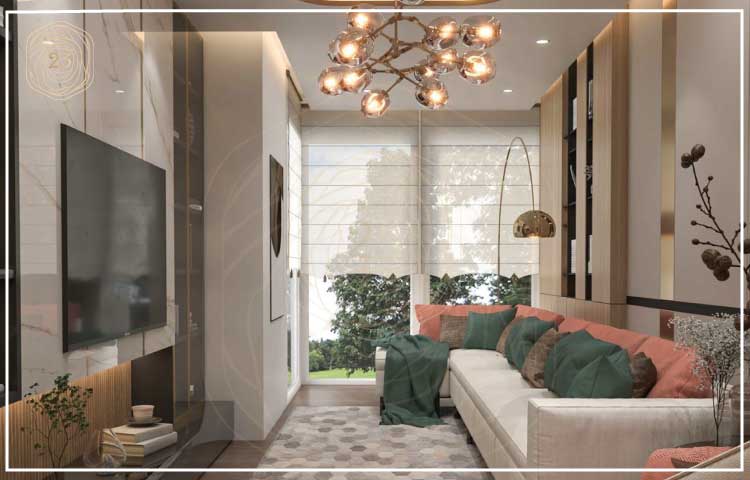
4. Maintain Visual Balance
Don’t place every large item on the same wall; distribute weight visually.
5. Respect Proportions
A medium-sized space cannot handle a 10-seat dining table.
A small bedroom cannot support a bulky bed.
6. Use a Full Layout Plan
A complete plan must include:
- Measurements
- Furniture distribution
- Electrical layout
- Lighting layout
Planning prevents expensive mistakes later.
Common Interior Design Mistakes
1. Weak Lighting
Good lighting can elevate any space; poor lighting ruins everything.
2. Choosing Rugs That Are Too Small
Rugs should extend under the furniture, not sit like small mats in the center.
3. Using Too Many Wall Colors
Too many colors create a chaotic atmosphere.
4. Ignoring Furniture Height
Tall pieces in low-ceiling rooms make the space feel tight.
5. Misplacing the TV
Such as placing it opposite a window, causing glare and discomfort.
6. Short Curtains
Curtains should reach the floor for a luxurious look.
7. Overlooking Storage
A beautiful home becomes messy without sufficient storage solutions.
How to Avoid Interior Design Mistakes in Your Home
1. Follow a Clear Design Plan
A proper plan prevents 80% of errors.
2. Hire a Designer Before Buying Furniture
Buying first is one of the biggest interior design mistakes.
3. Measure Everything
Never rely on “guessing.”
4. Plan Lighting Before Painting
Lighting must be decided early—not after finishing the walls.
5. Choose Furniture That Matches the Space
Oversized furniture does not equal luxury.
23 Interior Design — The Best Interior Design Company in Istanbul
23 Interior Design is not just an interior design company; it is a full engineering team offering:
- Modern and practical designs
- Expert supervision by professional engineers
- Smart solutions for both small and large spaces
- Reasonable and well-planned pricing
- Extensive experience in Turkey, Saudi Arabia, and Algeria
- High-quality finishing and materials
- Commitment to deadlines
- Transparent process from start to finish
- They provide complete design + execution services with a high level of professionalism.
Key Criteria for Choosing an Interior Designer in Istanbul
1. Experience in Multiple Styles
Modern, classic, neoclassical, loft, Scandinavian, and more.
2. Knowledge of Turkish Building Regulations
Especially regarding walls, plumbing, and electrical modifications.
3. Ability to Provide a Full Construction Plan
Not just 3D visuals.
4. Daily Follow-Up on Site
A designer who does not monitor the site will cause mistakes.
23 Interior Design — Best Interior Designer in Istanbul
The engineers at 23 Interior Design are distinguished by:
- Deep understanding of client needs
- Practical, realistic design solutions
- Long professional experience in Turkey, Saudi Arabia, and Algeria
- Realistic 3D designs that can be executed 100%
- High-quality material selection
- Step-by-step project supervision
If you want a flawless project with zero surprises—this is the right choice.
How to Choose Furniture That Matches Your Interior Design Style
1. Define Your Style Before Shopping
Never go shopping without a clear vision.
2. Choose Neutral Main Pieces
Add colors through accessories.
3. Keep Visual Harmony
Avoid mismatched combinations like:
- A classic table with a modern sofa
- A huge bed in a tiny room
- A tall bookshelf in a low-ceiling room
4. Comfort First
Beautiful furniture that is uncomfortable will frustrate you daily.
Conclusion
Most interior design mistakes happen because of:
- Lack of planning
- Choosing an inexperienced designer
- Poor lighting design
- Buying furniture without measuring
- Following random online ideas
- Designers who create beautiful—but impractical—visuals
This is why professional companies such as 23 Interior Design stand out.
Their highly skilled engineers provide thoughtful solutions, accurate execution, and years of expertise in Turkey, Saudi Arabia, and Algeria, offering reasonable prices and guaranteed results that transform your space into the beautiful home you deserve.
23 Interior Design is always ready to bring your vision to life.
Top 10 Frequently Asked Questions (With Detailed Answers)
1. What are the most common interior design mistakes?
The most common mistakes include poor lighting, lack of planning, choosing oversized furniture, using unbalanced colors, ignoring storage, and skipping professional advice.
2. Should I design the space before buying furniture?
Absolutely. Planning must come first. Buying furniture without a layout is one of the biggest causes of design failure.
3. How do I know if an interior design company is trustworthy?
Look at real projects, client reviews, clear contracts, and after-sales service.
4. Can I reduce interior design costs without losing quality?
Yes—by choosing economical materials, avoiding unnecessary decor, and investing only in essential items.
5. How long does a full home design project take?
Typically between 30 and 90 days depending on the size, materials, and structural modifications.
6. How do I choose the right colors for my home?
Use neutral tones for main elements, and add bold colors through replaceable accessories.
7. Why do some interior design projects fail even with a designer?
Because the designer may focus on beauty instead of functionality, or they don’t follow up during execution.
8. Is lighting really that important?
Lighting is one of the most influential design elements—it defines mood, clarity, visual comfort, and spatial perception.
9. What is the best interior design style for small spaces?
Modern and Scandinavian styles because they emphasize simplicity, brightness, and functional use of space.
10. When should I hire a professional interior designer?
From the very beginning—before buying any furniture—to avoid costly mistakes.
To view some of our work, click here.
To contact us for luxury decor for your property, click here.



Comments are closed